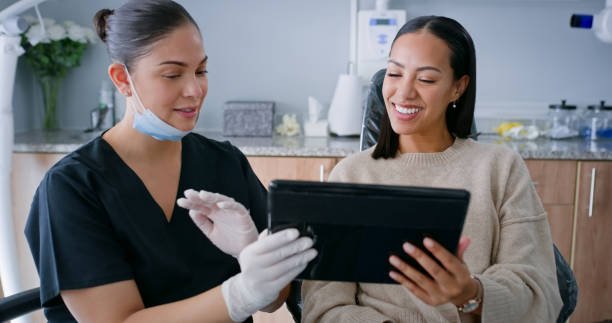
You book a cleaning for one child, a filling for yourself, and a checkup for a parent, and somewhere between forms, insurance cards, and old X rays, it starts to feel like too much to keep straight. That is the daily reality for many families. Dental care is not usually one visit and done. It builds over years, often across changing needs, new symptoms, and different stages of life, including Exploring dental implant options in Abilene. When records are scattered or incomplete, care gets harder than it needs to be.
That is where How Family Dentistry Uses Digital Records To Support Ongoing Care becomes more than a technical topic. It is about continuity. It is about your dentist being able to see patterns, track changes, and make better decisions without asking you to remember every detail from three years ago. In a family dentist office, digital records help connect the small moments, a child’s bite shift, a teen’s cavity history, an adult’s gum changes, into a clearer picture of long term oral health.
Digital dental records help family dentistry connect care over time
In a busy household, oral health details get lost fast. You may remember that a crown was placed, but not which tooth. You may know your child had sealants, but not when. You may even switch providers and realize the old paper file never made it over. That gap can lead to repeated imaging, slower treatment, or decisions made without a full history.
Digital records reduce that friction. A family dentist can review chart notes, treatment history, periodontal measurements, allergy information, medications, and radiographs in one system. That matters because dental care is cumulative. Tooth wear, gum recession, bite changes, and recurring decay are easier to understand when prior records are easy to compare side by side.
This also supports prevention. A dentist who can quickly see that a child has had repeated decay in the same areas may adjust fluoride guidance, home care advice, or recall timing. An adult with a history of gum inflammation may get closer monitoring before deeper damage sets in. Research on electronic dental records and oral health data use has shown how digital systems can improve documentation, care coordination, and population level understanding of oral disease.
Ongoing dental care gets more precise when records are easier to follow
You feel the difference most when something changes. A cracked filling, new jaw pain, bleeding gums, or a child whose teeth are not coming in as expected all require context. Without a reliable record, each visit starts from scratch. With digital charting, the dentist can compare old and current images, review prior symptoms, and spot whether the issue is new or part of a longer pattern.
That can also save money. Repeating diagnostic steps because records are missing adds cost. Delays can turn a small issue into a larger one. A tiny area of decay that was being watched may need a crown later if follow up gets lost. Families already balancing school schedules, work, and insurance limits do not need extra barriers built into routine care.
The broader public health picture supports this focus on continuity. The Oral Health in America report highlights how oral health is tied to overall health and how access, prevention, and coordinated care shape outcomes across the lifespan. In family dentistry, digital records support that coordinated approach by making history visible and usable at each visit.
Electronic dental records support safer communication and better follow through
Care does not stop when you leave the chair. Treatment plans, referrals, post procedure instructions, insurance notes, and recall reminders all affect whether care actually happens. Digital systems help offices document those steps clearly and keep communication consistent. If your child is referred to an orthodontist or you need periodontal follow up, the record can show what was recommended, when, and why.
This is also where safety comes in. Medication lists, health conditions, and allergy alerts are easier to review when they are current and accessible. If a patient has diabetes, takes blood thinners, or has a history of dry mouth from medication use, those details shape dental decisions. Studies on digital health records and clinical decision support in dental settings point to better information flow and more consistent care when records are integrated into daily practice.
| Care Task | Paper or Fragmented Records | Digital Records in Family Dentistry |
|---|---|---|
| Reviewing treatment history | May require pulling old charts or calling another office | Often available in one chart with dates, notes, and images |
| Tracking changes over time | Harder to compare past and current findings | Easy comparison of radiographs, gum readings, and restorations |
| Coordinating family appointments | Separate paperwork and repeated updates | Shared household details can be managed more efficiently |
| Managing medical alerts | Updates can be missed if forms are outdated | Medication and allergy alerts are easier to flag and review |
| Following up on unfinished care | Recommendations may be buried in notes | Pending treatment and recall schedules are easier to track |
Practical steps help you get more value from digital recordkeeping
Ask for a clear record review at your next visit. If you have been seen before, ask the office to walk you through your treatment history, current watch areas, and upcoming needs. In family dental care, that simple review can uncover missed follow up, old recommendations, or changes that deserve attention now.
Update medical and medication details every time. Even a small change matters. New prescriptions, pregnancy, chronic health conditions, and surgeries can affect dental treatment. Digital records only help if the information is current.
Request copies when you change providers or add specialists. If you move, switch insurance, or need orthodontic or surgical care, ask for digital X rays and chart notes to be transferred. That protects continuity and reduces the chance of duplicate testing or incomplete planning.
Good family dentistry uses digital records to make care feel less fragmented
You should not have to rebuild your dental history at every visit. Good recordkeeping helps your family dentist see the full picture, catch problems earlier, and guide care with more confidence from childhood through adulthood. That is the real value of digital systems. They support relationships, memory, and follow through, which is what ongoing care has always needed.
If you are choosing a family dentist, look for a practice that treats digital records as part of patient care, not just office software. That small detail can make years of care easier to manage and easier to trust.