
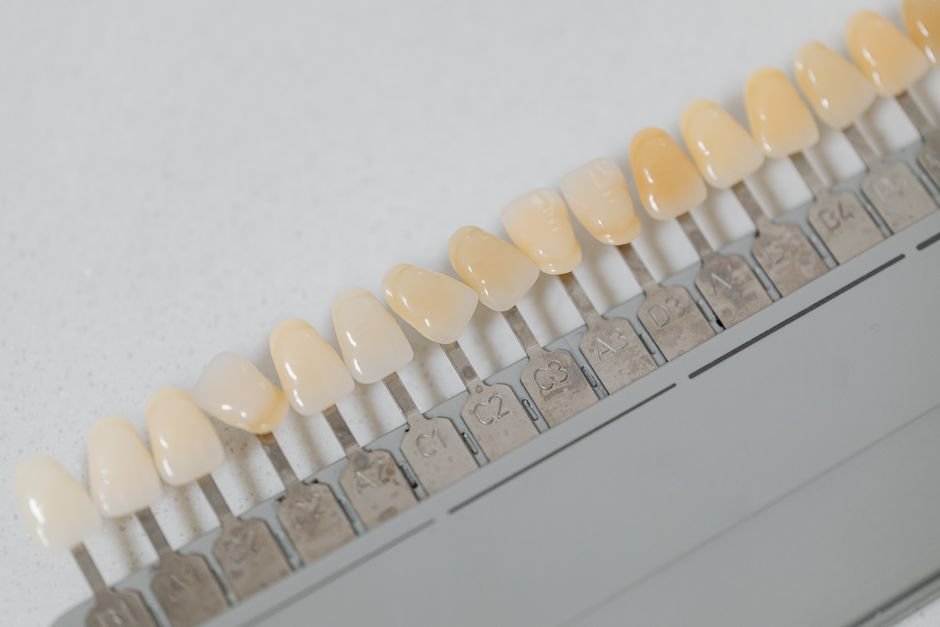
You notice it right away when a restoration is off, and a Branchburg dentist knows how much that matters. A crown looks too bright next to neighboring teeth. A veneer reads flat in photos. A filling blends in under one light, then turns gray at dinner. If you are trying to restore smiles across different ages, that stress gets bigger, because a 22 year old smile does not reflect light the same way a 72 year old smile does.
The Art Of Shade Matching For Multigenerational Restorations comes down to more than picking a color tab and hoping for the best. Teeth change over time. Enamel thins. Dentin shows through more. Surface texture softens. Stains, wear, translucency, and lighting all shift the way a restoration is seen. Good shade selection respects age, facial features, skin tone, and the surrounding teeth, so the result looks like it belongs to you instead of sitting on top of your smile.
Age changes the way natural teeth carry color
You may have been told you want a “whiter” result, only to realize that white alone is not the goal. Natural teeth are layered. They have value, which is lightness, chroma, which is saturation, and hue, which is the color family. They also have translucency, opalescence, and surface character. As people age, enamel often becomes thinner and more translucent in some areas, while dentin can appear warmer and deeper in color. That is why a restoration that looks right for a teenager can look artificial in an older adult.
This matters in family dentistry and cosmetic planning, where one office may treat parents, grandparents, and adult children with very different esthetic needs. Shade selection for family dental restorations asks for a more careful eye. The goal is not to make every smile the same. The goal is harmony.
Research on color science in dentistry keeps reinforcing the same point, that visual shade matching alone has limits. Lighting, operator fatigue, dehydration of teeth, and surrounding colors can all distort what the eye sees. Studies on dental color assessment and shade communication support the use of structured methods and digital tools when needed, especially in esthetic cases and larger restorative plans. You can read more in this review of color matching in restorative dentistry.
Shade mismatches affect confidence, cost, and trust
When shade matching misses the mark, the problem is not just cosmetic. You may start hiding your smile, asking for remakes, or delaying treatment because you do not trust the result. That can turn one crown into two visits, then three, with more chair time and more expense. A patient who already feels self conscious about worn, stained, or broken teeth usually feels that pressure even more.
There is also a practical side. Anterior restorations draw the most attention, but posterior work still matters because the wrong value or opacity can make the whole smile feel uneven. If one central incisor is restored too bright, the eye goes straight there. If a full mouth plan uses one flat shade across every tooth, the smile can lose depth and look manufactured.
That is why tooth shade matching for restorations should include more than a quick glance. Photographs, shade maps, stump shade when needed, and lab communication all improve accuracy. Clinical research on digital shade systems has shown that instrument based methods can improve consistency, especially when cases involve multiple restorations or subtle age related color variation. This research on digital and visual shade matching methods gives useful context.
Professional shade matching creates more natural cosmetic and general dental results
Good matching starts before the restoration is made. Teeth should be evaluated while hydrated, under neutral lighting, and before long treatment appointments cause eye fatigue. Lipstick, bright clothing, and operatory light temperature can all affect perception. A dentist may also look at line angles, luster, incisal translucency, craze lines, and the way your teeth reflect light when you speak. Those small details often decide whether a restoration disappears into the smile or stands out.
Public health data also supports the bigger picture. Oral health needs change across the lifespan, and restorative care remains a common part of maintaining function and appearance as people age. The National Institute of Dental and Craniofacial Research outlines those lifelong patterns in Oral Health in America. That is one reason a general and cosmetic dentist should approach shade matching as age aware care, not a one size fits all esthetic choice.
Visual matching and digital tools each have strengths
| Approach | What It Helps With | Common Limits | Best Use |
| Visual shade guide | Quick chairside comparison, surface character review, real time clinical judgment | Affected by lighting, eye fatigue, dehydration, and surrounding colors | Single restorations, initial shade selection, confirming natural nuances |
| Digital shade device | More consistent color measurement, stronger communication with the lab, useful baseline records | May miss texture and luster unless paired with photos and clinical notes | Multiple restorations, challenging esthetic cases, multigenerational treatment planning |
| Combined method | Balances measured data with human observation | Takes more planning and documentation | Anterior cosmetic cases and restorations where natural blending matters most |
Clear steps help you get a better match from the start
Ask for a shade evaluation before treatment begins. If you are planning crowns, veneers, bonding, or visible fillings, ask how shade will be chosen and documented. A brief conversation before tooth preparation can prevent a lot of frustration later.
Bring real world references. Old photos of your smile, pictures in daylight, and even a note about what you like or dislike in your current teeth can help. Some patients want age appropriate softness. Others want a brighter look that still feels natural. Both are valid, but they need to be defined.
Choose a dentist who blends function with esthetics. Shade is only one part of the result. Contour, texture, translucency, and bite all matter. A strong cosmetic dentist and general restorative team will think about how the restoration works, how it ages, and how it fits the rest of your smile.
If you are weighing treatment and feel unsure about whether the final result will look natural, that concern makes sense. Shade matching is part science, part trained observation, and part listening closely to what you want your smile to say. When that process is done well, restorations do not look obvious. They look like you, at your age, in your life, with a smile that feels comfortable to wear every day.


