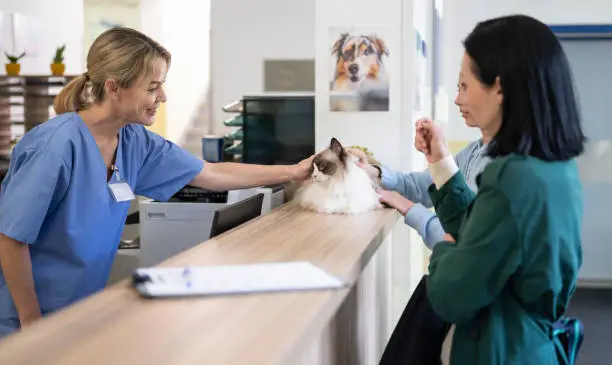
You trust your pet with your whole heart. When something feels wrong, you need clear answers and steady support. That is why veterinary hospitals matter. They do more than treat sickness. They guide you through every stage of your pet’s life. You get help with small issues, sudden emergencies, and hard choices. You also gain a partner who knows your pet’s history and your worries. A veterinarian in Vestavia Hills, or in any town, trains for years to protect animal health. That training, combined with experience and strict standards, builds trust. Each visit gives your pet careful exams, safe treatments, and honest advice. You learn what to watch for at home. You also learn when to seek help fast. This shared responsibility creates a strong bond. You are not alone. You and your veterinary hospital work together to keep your pet safe, steady, and comfortable.
Why training and standards matter to you
You put your pet in the hands of people who have studied for many years. They learn body systems, medicine, surgery, and behavior. They pass strict exams. They keep learning through new courses and updates. This long path means you can expect three things.
- Accurate diagnosis
- Safe treatment choices
- Clear guidance for home care
The American Veterinary Medical Association explains how education and licensing work. This structure guards your pet. It also guards you from guesswork and fear.
Care through every stage of life
Your pet’s needs change with age. A strong veterinary partner plans for each stage. You can think of care in three simple steps.
- Puppy or kitten care and early vaccines
- Adult wellness and weight control
- Senior comfort and chronic disease support
Routine visits help catch problems early. Early care often means shorter treatment. It also means less pain for your pet and lower cost for you. The Centers for Disease Control and Prevention describe how regular vet visits also protect people from disease.
What happens during a typical visit
Trust grows when you know what to expect. Most visits follow a simple pattern. You can use this pattern to prepare questions.
- History. You share changes in eating, drinking, bathroom habits, and behavior.
- Physical exam. The team checks eyes, ears, mouth, skin, heart, lungs, belly, and joints.
- Tests. They may run blood work, urine tests, or imaging if needed.
- Plan. You agree on treatment, home care, and follow-up.
Each step gives clues. Each clue shapes the plan. Nothing is random. Everything points to one goal. Your pet’s steady health.
How veterinary hospitals protect both pets and people
Veterinary hospitals do more than treat single pets. They also block diseases that can spread to people. These diseases include rabies, ringworm, and some stomach infections. By keeping vaccines current and checking for parasites, your vet protects your whole household.
Here are three key roles your hospital plays.
- Tracks vaccine schedules and keeps records.
- Checks for fleas, ticks, and worms that can affect people.
- Advises you on safe handling of pet waste and food.
This quiet shield is one reason communities trust veterinary hospitals. You may never see the crisis that did not happen. Yet that prevention work stands behind every healthy day.
Why continuity of care builds deep trust
When you see the same hospital over time, the team learns your pet’s baseline. They know what is normal for breathing, heart sounds, weight, and mood. They also know your limits, work schedule, and budget. This history lets them act fast when change appears.
Continuity gives you three strong benefits.
- Faster recognition of subtle warning signs.
- Treatment plans that fit your daily life.
- Comfort during hard talks about the quality of life.
You do not have to repeat your story each time. The chart and the team remember. That memory lightens your stress when you walk through the door.
Comparing routine care and emergency care
Both routine and emergency services matter. They serve different needs yet share one purpose. The table below shows key differences so you know where to turn.
| Type of visit | When you use it | Common examples | Main goal
|
|---|---|---|---|
| Routine wellness visit | Set times each year when your pet seems fine | Vaccines, checkups, teeth cleaning | Prevent problems and catch early change |
| Problem visit | When you notice new signs that worry you | Limping, ear scratching, vomiting, skin rash | Find the cause and plan treatment |
| Emergency visit | Sudden serious change that cannot wait | Breathing trouble, seizures, collapse, hit by a car | Stabilize and protect life |
Knowing this difference helps you act fast. It also helps the hospital triage your pet. Clear action in a crisis can save a life.
How to use your veterinary hospital as a true partner
Partnership is not only about visits. It also lives in daily choices at home. You can strengthen that bond in three simple ways.
- Keep a list of questions and bring it to each visit.
- Follow the agreed plan and call if you cannot.
- Share small changes early instead of waiting.
Your honesty gives the team what they need to help. Their skill gives you a clear path forward. Together, you reduce suffering. You also increase good days filled with play, rest, and quiet comfort.
Facing hard moments with support
Some visits are heavy. Chronic pain, cancer, orend-of-lifee talks can feel crushing. In those moments, a trusted hospital can hold you steady. They explain options in plain words. They respect your love for your pet. They help you weigh comfort, function, and time.
You do not have to make these choices alone. A strong veterinary partner stands with you. That steady presence is one of the deepest reasons pet owners rely on veterinary hospitals and keep coming back year after year.